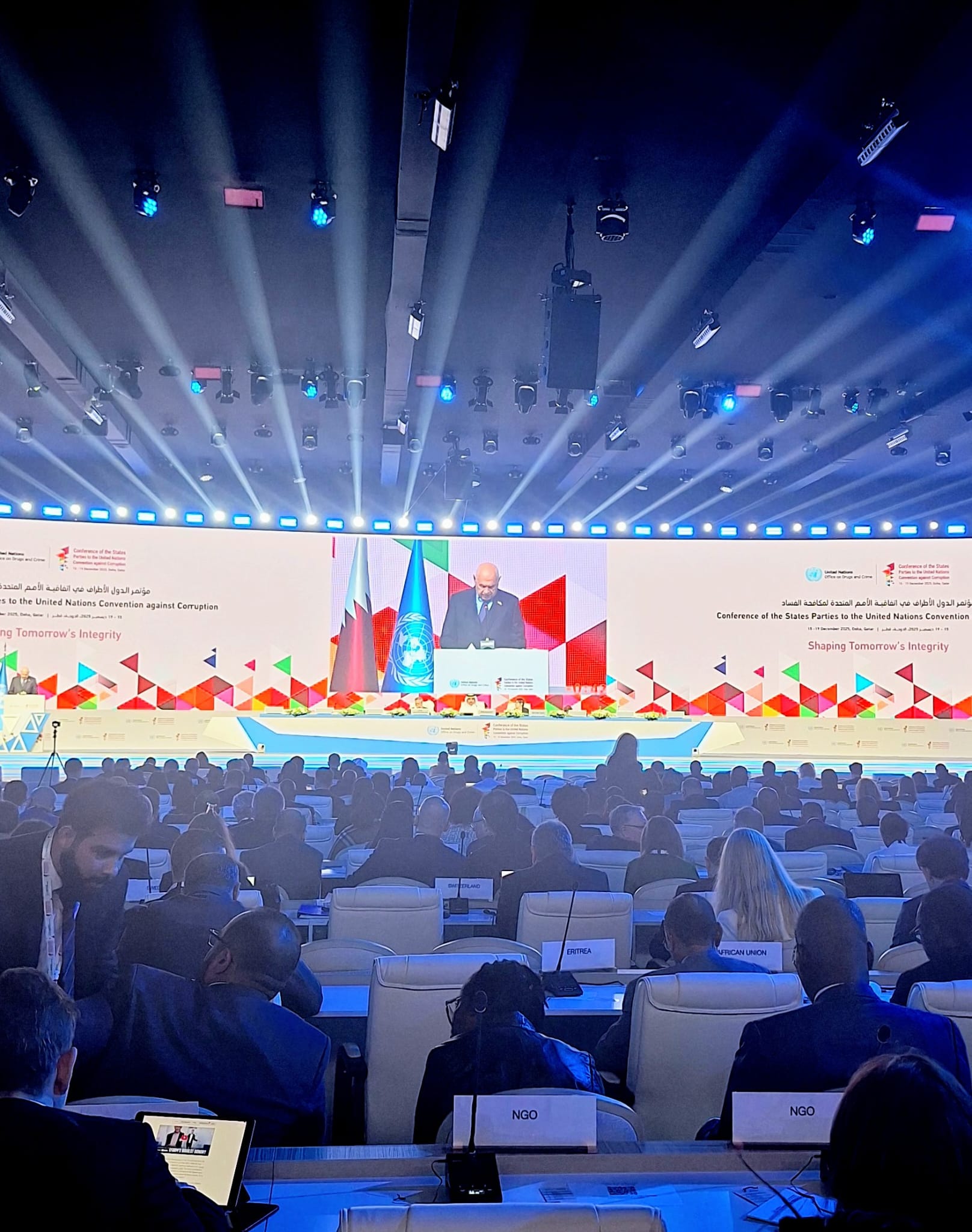
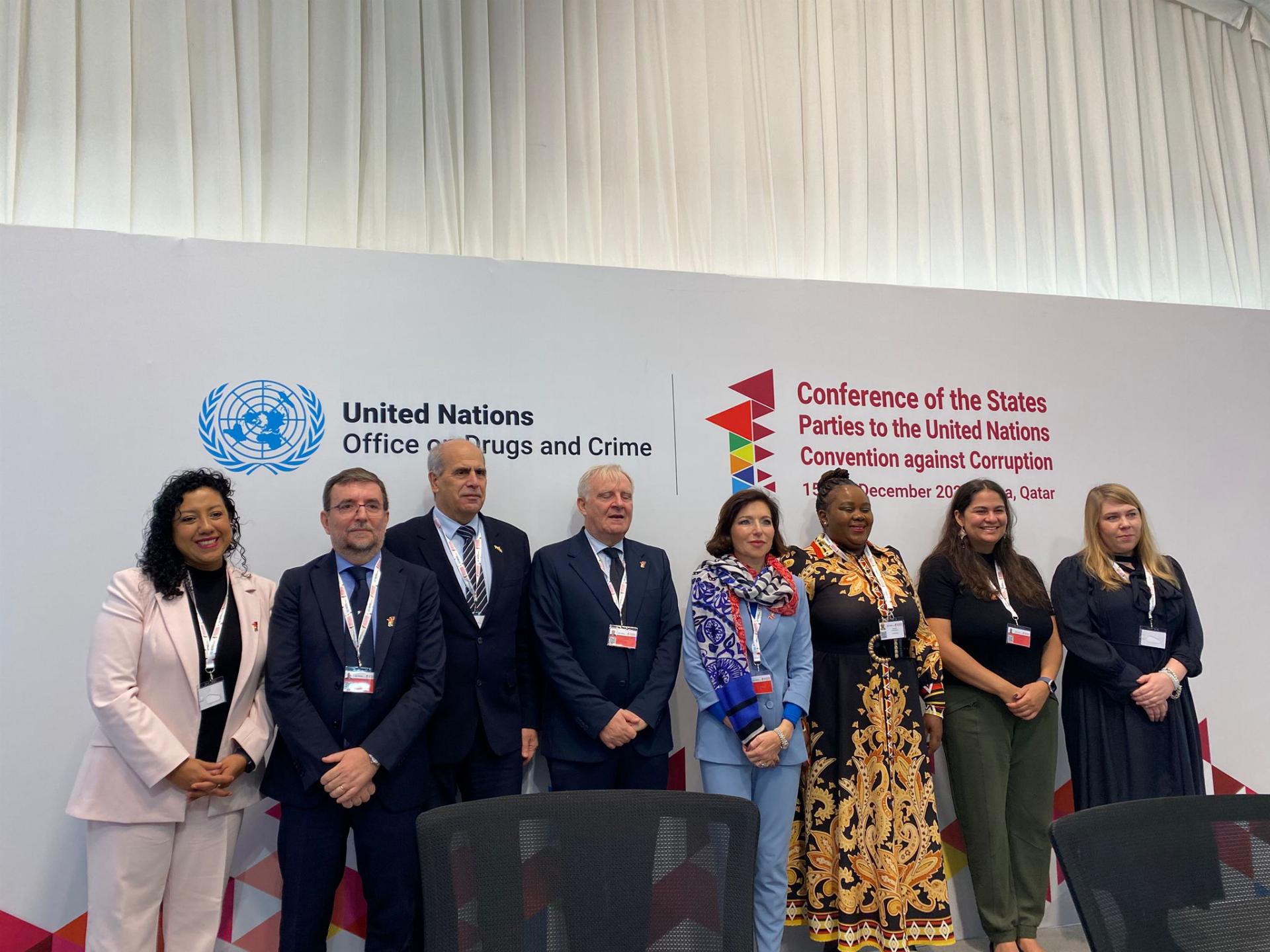
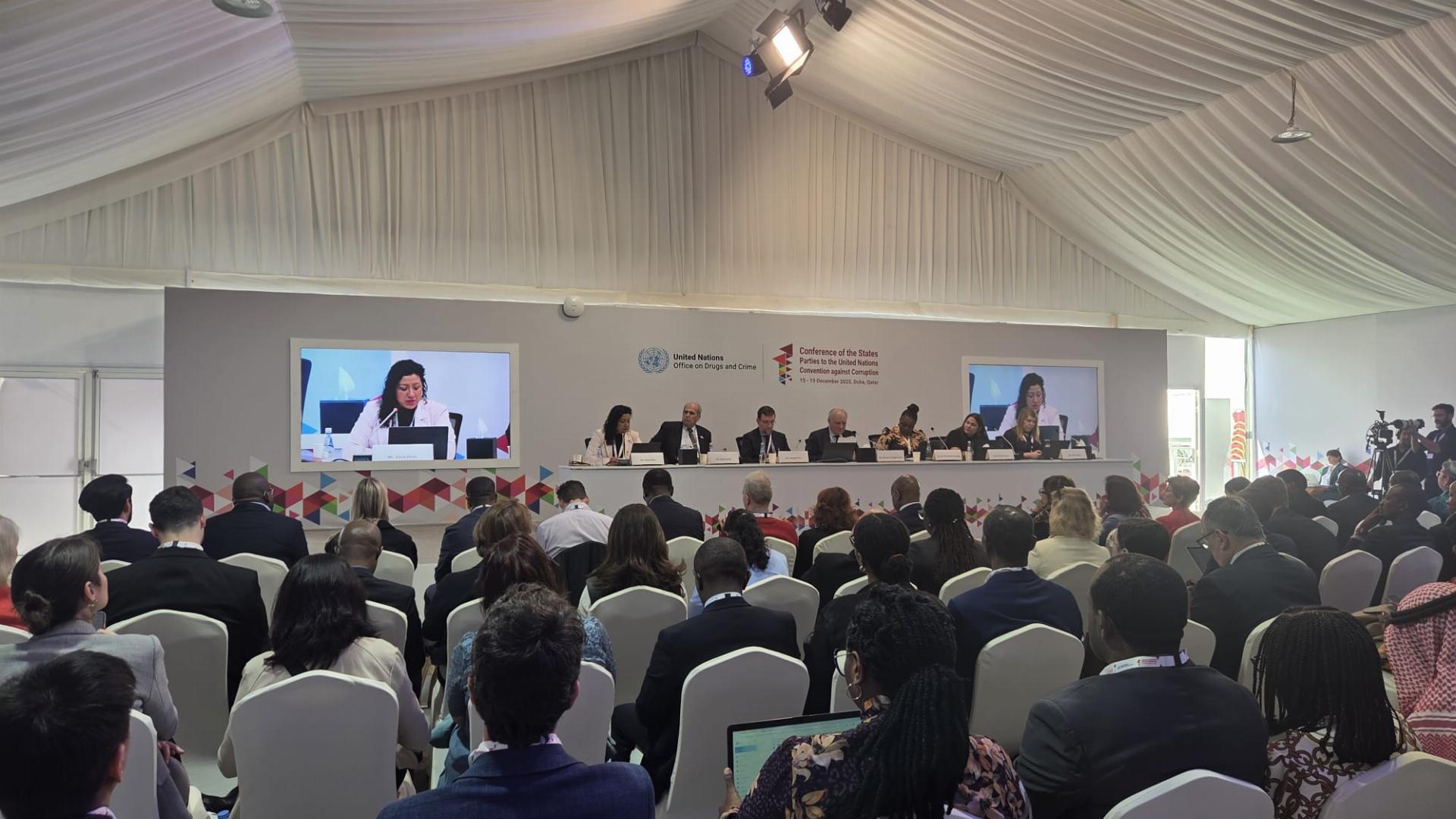
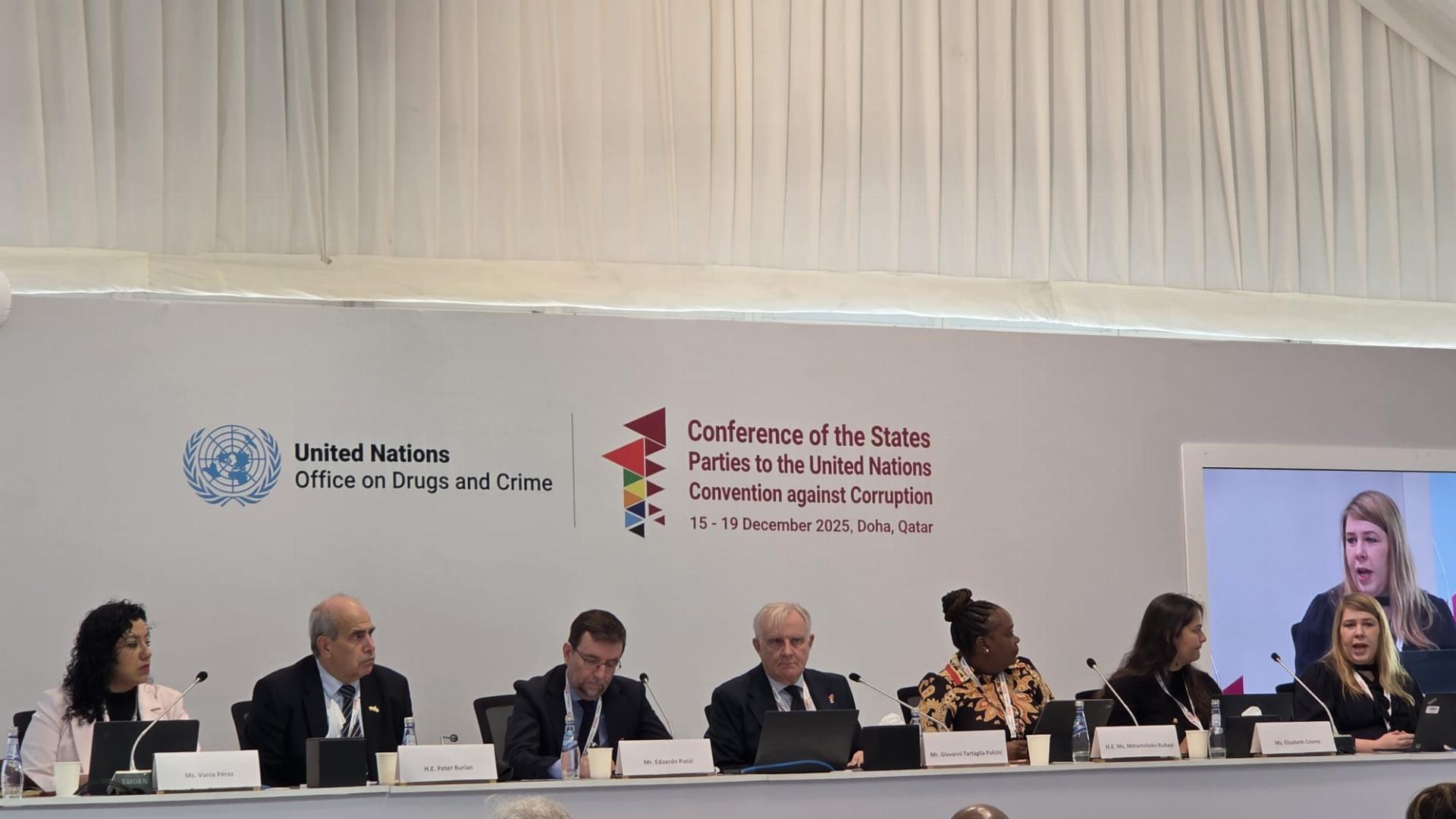
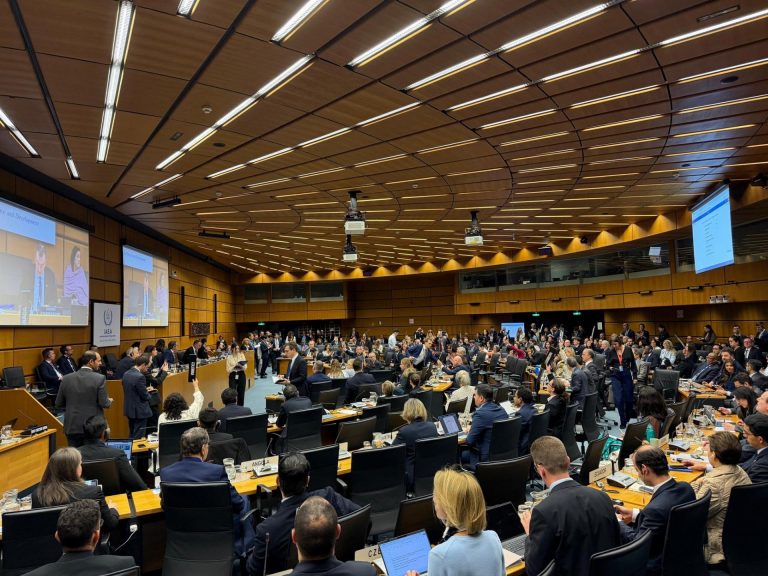
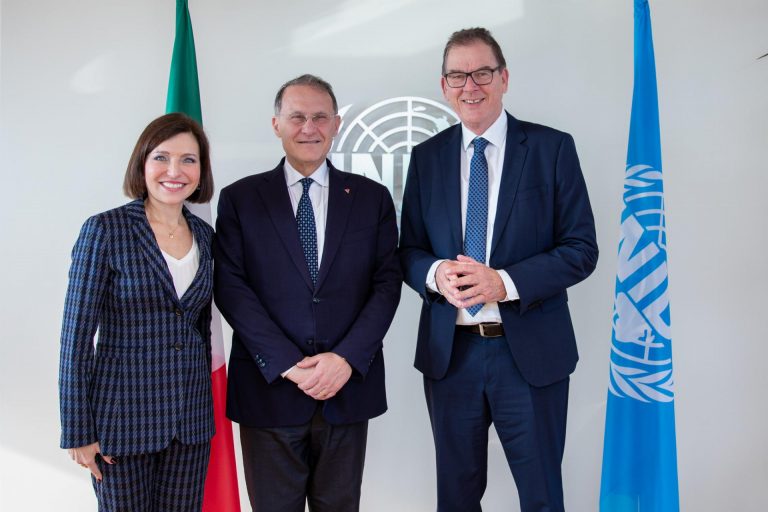
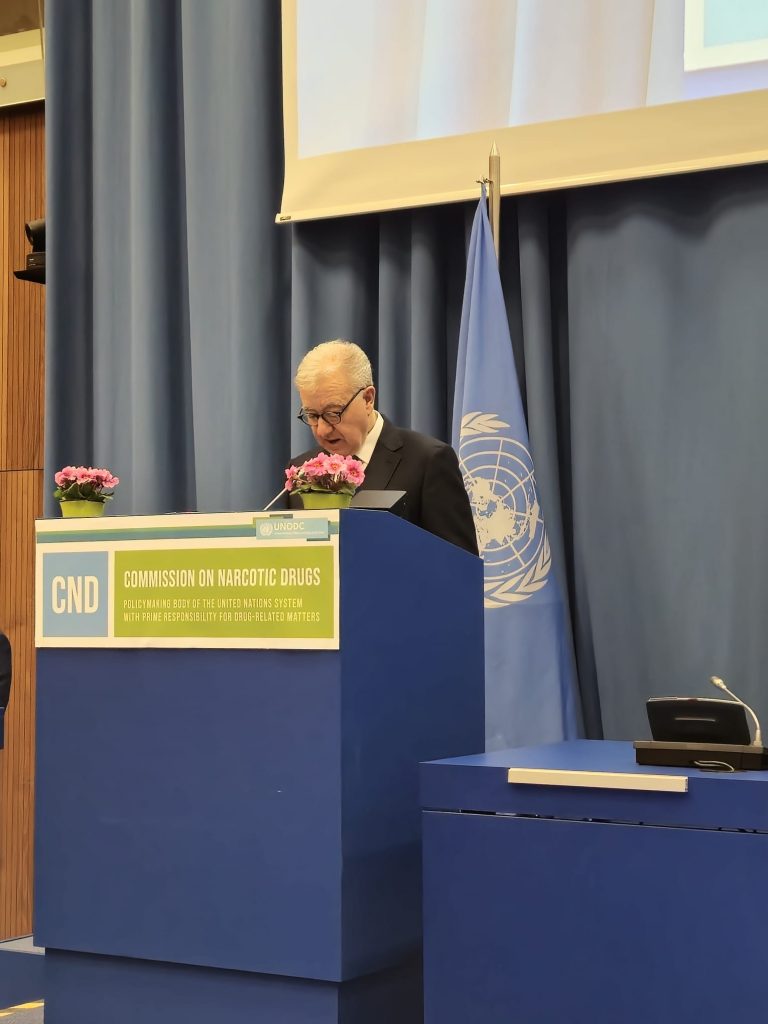
Italy, at the forefront of multilateral legal cooperation and the international fight against corruption, took part in the 11th Conference of the States Parties to the United Nations Convention against Corruption (UNCAC CoSP), held in Doha, Qatar, from 15 to 19 December, with a delegation led by Minister of Justice Carlo Nordio. In his plenary statement, Minister Nordio declared: “Italy has played a leading role in the work of the Conference, which brought together 192 countries and more than 2,500 delegates from all over the world. Italian experts will speak as panellists at eight thematic events, contributing to the debate on some of the key issues on the global agenda, ranging from the nexus between corruption and organised crime to migrant smuggling, from money laundering to trafficking in cultural property.”
One of the events held on the margins of the Conference (“Corruption and Organized Crime: From Resolution 10/5 to Action”), promoted by the Permanent Mission, was dedicated to the concrete implementation of Resolution 10/5, adopted in Atlanta in 2023 at Italy’s proposal. The side event, among the most well-attended of the Conference, opened with a video message from Minister Nordio, who reiterated the need for an integrated approach combining prevention, effective enforcement, financial investigations and international cooperation, drawing on Italy’s experience in countering criminal infiltration and systemic corruption. Through this initiative, led by Ambassador Debora Lepre, Deputy Head of Delegation, Italy reaffirmed its role as an active promoter of the anti-corruption agenda at the multilateral level. Ambassador Lepre also spoke at the panel discussion “Advancing the Rights of Victims of Corruption”, highlighting the centrality of victims and the need for a human rights-based approach.
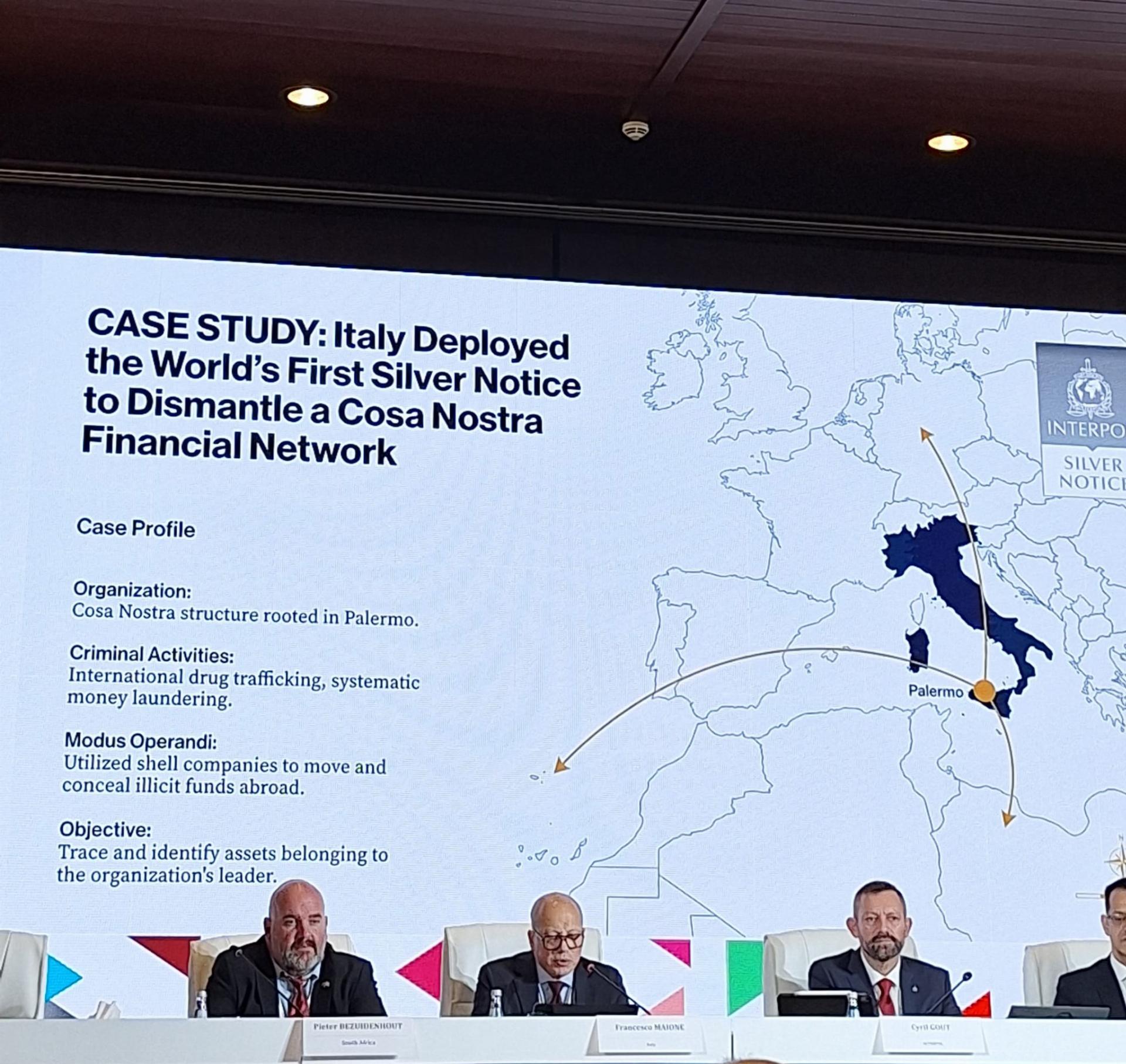
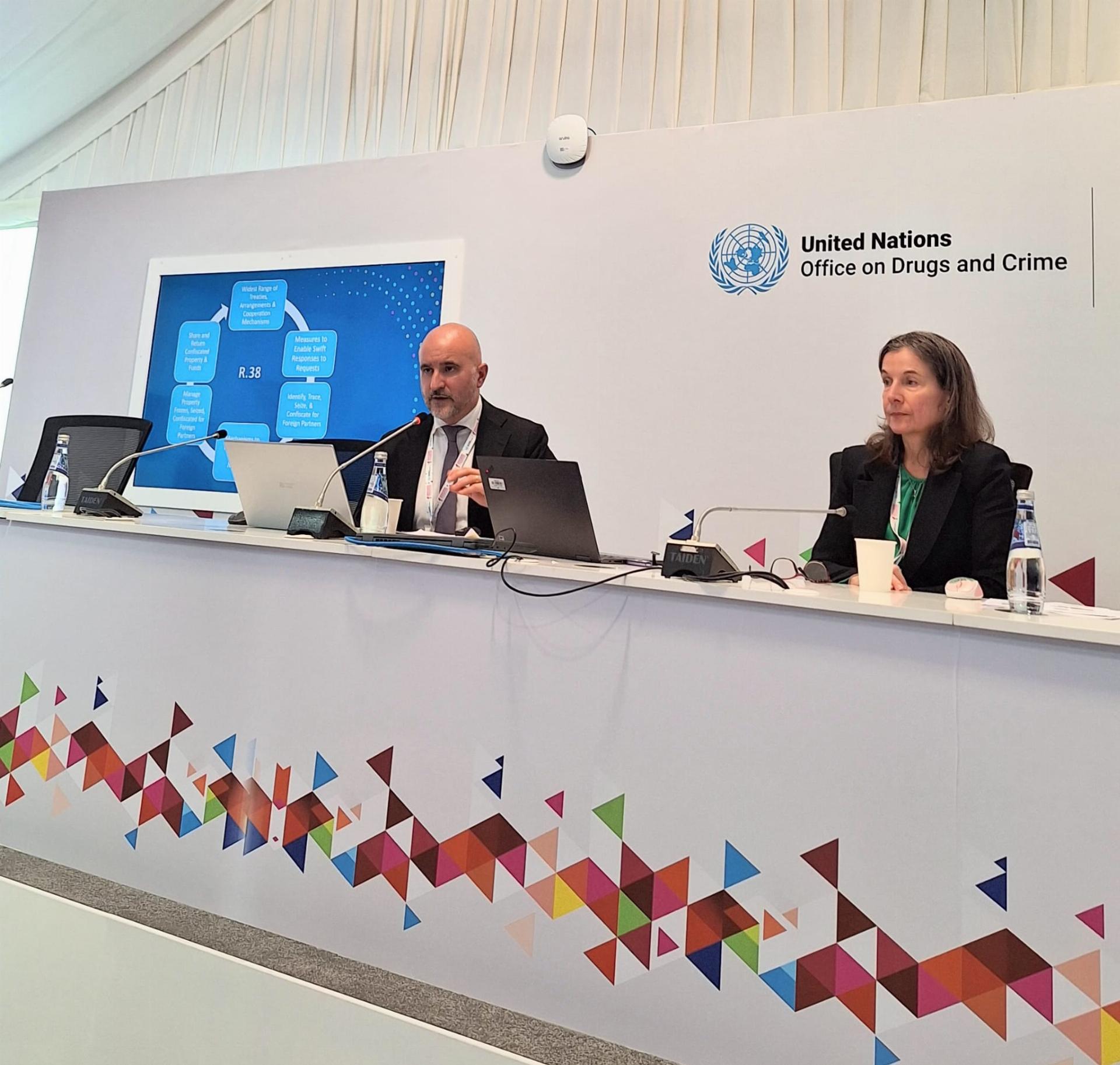
The significant contribution of Italian institutions to the fight against corruption at the international level was further highlighted in additional side events. Alongside the prominent role of the National Anti-Corruption Authority (ANAC), especially in preventing corruption in public procurement, the expertise of Italian law enforcement agencies in tackling illicit financial flows and recovering criminal proceeds, in cooperation with Interpol and the Financial Action Task Force (FATF), also emerged clearly.
The Conference concluded with the adoption of eleven resolutions addressing, among other issues, transparency in the financing of political parties and electoral campaigns, the role of corruption in environmental crimes and migrant smuggling, education and training to promote a culture of integrity among younger generations, the UNCAC implementation review mechanism, as well as of a declaration on international cooperation and the use of digital technologies and artificial intelligence in the fight against corruption.